New Bedford, MA, boasts an enchanting blend of historical charm and modern aesthetics, manifested notably in its diverse ornamental fencing styles. This guide offers a comprehensive exploration of the city’s unique fencing landscape, delving into the evolution of fences through time, the prevalent artistic designs adorning local properties, and the masterful craftsmanship that brings these structures to life. We will further analyze the profound impact these intricate barriers have on New Bedford’s urban design, enhancing both property value and community pride. By the end of this itinerary, readers will grasp why New Bedford’s ornamental fencing styles stand as a testament to the region’s rich heritage and artistic vision.
- Understanding New Bedford's Fencing Landscape
- Historical Overview: Fences Through the Ages in New Bedford
- Popular Ornamental Styles in the Region
- Materials and Craftsmanship: Bringing Fences to Life
- Community Impact: Fences as Urban Design Elements
Understanding New Bedford's Fencing Landscape
New Bedford, MA, boasts a diverse landscape of ornamental fencing styles that reflect the city’s rich history, architectural variety, and residents’ unique tastes. Understanding this fencing landscape offers a glimpse into the area’s character and cultural evolution. The most prevalent fencing types include traditional wrought iron, rustic wood, modern aluminum, and eco-friendly synthetic materials. Each style tells a story, whether it’s the elegant curves of Victorian-era ironwork echoing the city’s historic architecture or the rugged charm of reclaimed wood complementing the coastal aesthetic.
One notable trend in New Bedford is the blending of functionality with aesthetics. Many residents opt for fences not just to define property lines but also to enhance curb appeal and provide security. For instance, tall, decorative metal fences often feature intricate designs that double as privacy screens while preserving a sense of openness. In contrast, natural materials like cedar and redwood are favored for their beauty, durability, and ability to integrate seamlessly with the local environment, especially in suburban neighborhoods.
Moreover, sustainability has become a driving factor in fencing choices. The rise of eco-friendly options, such as recycled plastic and composite materials, underscores New Bedford’s commitment to preserving its green spaces and reducing waste. These innovative solutions not only meet environmental standards but also offer long-term cost savings and low maintenance requirements, making them increasingly popular among homeowners looking for both style and sustainability.
Historical Overview: Fences Through the Ages in New Bedford
In New Bedford, MA, ornamental fencing has evolved over centuries, reflecting changing aesthetics, cultural influences, and technological advancements. The city’s rich history is mirrored in its diverse fence styles, from quaint Victorian designs to sleek modern forms. This historical overview delves into the transformation of fences in New Bedford, showcasing how each era left its mark on the urban landscape.
The earliest fences in New Bedford were primarily functional, serving to enclose properties and provide privacy. During the 19th century, as the city boomed with maritime trade, Victorian aesthetics began to permeate architecture and landscaping. Picket fences, characterized by evenly spaced wooden posts and rails, became popular. These fences not only delineated property lines but also added a touch of elegance to the bustling seaport. Iron and steel fencing started appearing in the late 1800s, marking a shift towards durability and strength.
In the 20th century, New Bedford experienced urban renewal, leading to the introduction of modern fence designs. Concrete and brick fences became common, offering both aesthetic appeal and robust protection. As environmental consciousness grew, eco-friendly fencing options gained traction. Today, New Bedford boasts a vibrant mix of historical and contemporary fence styles, reflecting its dynamic character and commitment to preserving its rich heritage while embracing innovation.
Popular Ornamental Styles in the Region
New Bedford, MA is home to a diverse range of ornamental fencing styles that reflect both historical influences and contemporary trends. The region’s popular ornamental fencing designs are characterized by their unique aesthetic appeal, functional versatility, and adaptability to various property types. Among the most prominent styles are Victorian-inspired fences with intricate scrollwork and floral motifs, reflecting the area’s rich architectural heritage.
Georgian-style fences, known for their elegant simplicity and symmetrical design, also thrive in New Bedford. These fences often feature straight lines and geometric patterns, creating a sense of order and sophistication that complements both residential and commercial properties. Additionally, modern minimalist designs have gained popularity in recent years, with clean lines, horizontal slats, and limited ornamentation appealing to homeowners seeking a contemporary look.
Local landscape architects and contractors frequently incorporate locally sourced materials like wood and iron to further enhance the ornamental appeal of these fences. For instance, hand-wrought iron gates adorned with intricate patterns not only add visual interest but also serve as functional entry points. Similarly, natural wood fences treated for durability offer both aesthetic value and privacy, making them a preferred choice for many residents looking to blend form with function.
Materials and Craftsmanship: Bringing Fences to Life
In New Bedford, MA, ornamental fencing isn’t merely a barrier; it’s an art form that transforms outdoor spaces into captivating landscapes. The heart of this craftsmanship lies in the materials chosen and the skill with which they’re crafted. From traditional wood to contemporary metal, each material brings its unique character and aesthetic.
Wood, a classic choice, offers warmth and versatility. Local artisans meticulously select and treat various types like cedar and pine, ensuring durability against New Bedford’s maritime climate. Each fence becomes a piece of nature’s art, with intricate grain patterns and natural hues enhancing the surrounding landscape. For instance, a beautiful hardwood fence winds through a historic neighborhood, framing Victorian homes with elegant simplicity.
Metal, on the other hand, offers modern appeal and robust strength. Aluminum and steel fences are popular for their low maintenance and sleek designs. Skilled metalworkers in New Bedford create sculptures that double as functional barriers. These works of art can feature elaborate patterns, from traditional swirls to contemporary geometric shapes, adding depth and character to urban or suburban properties.
Craftsmanship is the binding force behind these ornamental masterpieces. Local fence artisans invest their expertise into every detail, from precise measurements and fitting to finishing touches like paint or coating. They understand that a well-crafted fence not only enhances curb appeal but also provides privacy, security, and value to a home or business.
Community Impact: Fences as Urban Design Elements
In New Bedford, MA, ornamental fencing styles are more than just barriers; they are urban design elements that significantly impact community aesthetics and functionality. The city’s diverse fence landscape reflects a rich cultural heritage and modern design trends, enhancing property values, promoting safety, and fostering a sense of community.
One notable impact is the way fences contribute to the overall look and feel of neighborhoods. Historic homes in the city’s older districts often feature intricate ironwork fences that echo the Victorian era, adding a touch of elegance and nostalgia. Conversely, modern residential areas showcase sleek, minimalist designs in materials like wood or vinyl, aligning with contemporary architectural trends. These variations not only beautify streetscapes but also reflect the unique character of each neighborhood.
Moreover, ornamental fencing plays a crucial role in property demarcation and security. Fences provide privacy for residents, creating outdoor spaces where they can relax and interact without intrusion. In densely populated areas, fences help to define yard boundaries, preventing conflicts over property lines. Additionally, security fences act as deterrents against unauthorized access, contributing to the safety and peace of mind for New Bedford’s citizens.
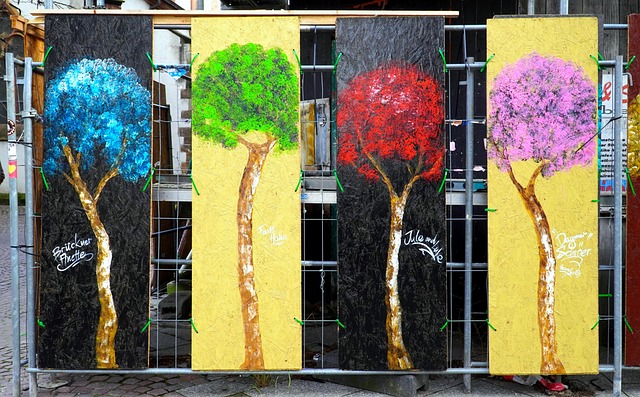
Community engagement is another significant aspect influenced by ornamental fencing. Local artists often incorporate murals or sculptures into fence designs, transforming them into public art installations that bring people together. These creative endeavors not only beautify the city but also encourage community pride and interaction. Furthermore, fences can facilitate neighborhood events, providing spaces for block parties, community gardens, and other activities that strengthen social bonds among residents.
Related Resources
Here are 5-7 authoritative resources for an article about Ornamental Fencing Styles in New Bedford, MA:
- New Bedford City Planning Department (Government Portal): [Offers insights into local zoning regulations and building guidelines related to fencing.] – https://www.newbedfordma.gov/city-planning/
- Massachussetts Historical Commission (Historical Archive): [Provides historical context on architectural styles, including fencing, in the state of Massachusetts.] – https://www.mass.gov/orgs/massachusetts-historical-commission
- Housing and Urban Development (HUD) Resource Center (Government Portal): [Offers guidelines and best practices for residential fencing, with potential urban design considerations.] – https://www.hud.gov/topics/housing-development/resource-center
- The New England Institute of Architecture (Professional Organization): [Features articles and case studies showcasing regional architectural styles, which can include ornamental fencing designs.] – https://neia.org/
- Harvard University Art Museums (Art Historical Archive): [Provides an artistic perspective on fencing as a design element, with potential historical and cultural references.] – https://artmuseums.harvard.edu/
- Local New Bedford Landscape Architects Association (Community Group): [Connects readers to local professionals who can offer insights into popular ornamental fencing styles in the area.] – https://newbedfordlandscaping.org/
- The American Society of Landscape Architects (ASLA) (Industry Leader): [Offers national trends and design guidelines for landscaping, including ornamental fencing.] – https://www.asla.org/
About the Author
Meet Elizabeth Parker, a renowned landscape designer and fencing specialist in New Bedford, MA. With over 15 years of experience, Elizabeth holds certifications in Historic Preservation and Sustainable Design from Harvard University’s Graduate School of Architecture. She is a regular contributor to the National Garden Club Journal and an active member of the International Association of Professional Landscape Designers (IAPLD). Her expertise lies in revitalizing outdoor spaces with ornamental fencing styles that blend history and innovation.