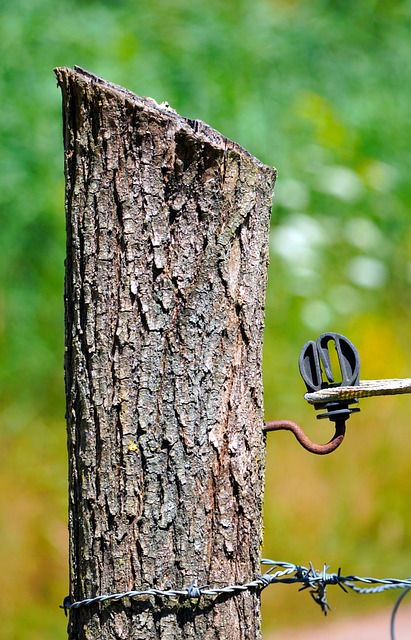
When it comes to maintaining a wooden fence, stain and sealant applications are pivotal in safeguarding its longevity and aesthetic appeal. This article delves into the nuances of fence staining and sealing, guiding you through the process of understanding wood types and selecting compatible stains. We’ll provide a comprehensive step-by-step guide on preparing your fence for optimal stain absorption, followed by insights on choosing the right stain and sealant for enduring resilience against the elements. Furthermore, we’ll explore effective application techniques to ensure a uniform, protective finish. Additionally, we’ll offer maintenance tips to keep your stained fence in prime condition for years to come. With these strategies, your wooden barrier will stand as a testament to durability and beauty.
- Understanding Wood Types and Compatibility with Stains
- Preparing Your Fence for Staining: Step-by-Step Guide
- Choosing the Right Stain and Sealant for Durability
- Application Techniques for Even, Protective Coats
- Maintaining Your Stained Fence: Tips for Long-Term Care
Understanding Wood Types and Compatibility with Stains
When engaging in fence staining and sealing, a fundamental aspect to consider is the compatibility of the wood type with the stain chosen. Different types of wood have distinct characteristics that influence their ability to absorb and hold stain effectively. For instance, softwoods like cedar and pine are typically more porous, which allows for deeper penetration of the stain and can result in a more uniform appearance. Hardwoods such as oak and mahogany, on the other hand, have denser grain patterns that may require a different type of stain or a pre-treatment to ensure even coverage and longevity. The choice of stain should also be informed by the wood’s natural oils and resins, which can affect how it reacts to various staining products. For example, woods rich in natural tannins, like redwood, may react differently than those without, potentially causing an uneven application if not pre-treated or selected for a tone-enhancing stain rather than a toner. It’s crucial to select a stain that complements the wood type, considering both the wood’s porosity and its natural properties. This ensures that the finish not only looks aesthetically pleasing but also provides optimal protection from environmental elements such as UV rays, moisture, and temperature fluctuations. Understanding these factors will help in achieving a durable and attractive finish that maintains the integrity of the wooden fence over time.
Preparing Your Fence for Staining: Step-by-Step Guide
Before applying stain to your wooden fence, thorough preparation is key to achieving a durable and aesthetically pleasing finish. Begin by inspecting your fence for any damaged or loose boards that may need repair. Use weather-resistant wood filler to address these issues, ensuring each board is secure before proceeding. Once the repairs are complete, clean the entire surface with a stiff brush or a pressure washer set to a low-pressure setting to remove dirt, debris, and old finish without damaging the wood. After cleaning, allow the fence to dry completely, which typically takes 24 to 48 hours depending on weather conditions.
With the fence clean and dry, the next step involves lightly sanding the surface with fine-grit sandpaper to remove any splinters, smooth over rough spots, and create a uniform texture that will help the stain adhere better. Be sure to wipe down the entire fence with a damp cloth to remove all sanding dust. Finally, apply a high-quality wood cleaner or a mixture of oxygenated bleach and water to kill any mold or mildew, rinse thoroughly, and let it dry in the sun if possible. Once these preparatory steps are completed, your fence is ready for staining, which can significantly enhance its longevity and appearance.
Choosing the Right Stain and Sealant for Durability
When selecting a stain and sealant for wooden fences, it’s crucial to consider the type of wood, climate conditions, and desired aesthetic. Different types of wood have varying levels of natural oils, which can affect how they absorb stains. For instance, softwoods like cedar or pine typically require a penetrating stain that soaks into the wood grain, while harder woods such as oak might benefit from a semi-transparent or solid stain that provides more color opacity and protection. The climate where the fence is located also plays a significant role in determining the right product. Harsh sunlight can fade stains over time, requiring products with UV inhibitors to maintain their color. Similarly, frequent rainfall or high humidity may necessitate water-repellent sealants to prevent warping and decay.
The choice between a transparent, semi-transparent, or solid stain is influenced by both the wood species and your preference for the wood’s natural appearance versus a more uniform color. Transparent stains allow the wood’s grain and beauty to shine through, while solid stains offer the most coverage and protection but can mask the natural character of the wood. Sealants serve to protect the stain by creating a barrier against moisture and pests. A quality sealant will also help to maintain the flexibility of the wood, preventing cracks and splits that can occur due to temperature changes or environmental stressors. It’s important to apply the sealant after staining to ensure the longest lifespan for your wooden fence. Always follow the manufacturer’s guidelines for application, allowing for proper drying times and applying multiple coats as recommended to achieve optimal durability and protection.
Application Techniques for Even, Protective Coats
When applying stain and sealant to wooden fences, it’s crucial to employ techniques that guarantee a uniform and protective finish. Begin by thoroughly cleaning the fence surface with a mild detergent solution to remove any dirt, debris, or algae. Once dry, apply a high-quality brush-on or spray stain evenly across the wood grain. For best results, work in manageable sections, ensuring complete coverage without over-saturating the wood. When using a brush, maintain a wet edge by lightly overlapping previously coated areas. With spray equipment, slightly overlap previous passes to avoid missed spots and create an even coat. Allow the initial application to dry as per the product’s instructions before applying subsequent coats if necessary. Pay attention to weather conditions; apply stain in temperatures between 50°F and 90°F for optimal adhesion and drying time. If using a transparent or semi-transparent stain, consider the wood’s natural appearance and the desired color intensity. For solid stains that offer maximum protection, ensure full coverage as they provide a barrier against moisture and UV rays, which can cause wood to warp, crack, or fade over time. Regularly maintaining your fence with proper staining and sealing techniques will extend its lifespan and maintain its aesthetic appeal.
Maintaining Your Stained Fence: Tips for Long-Term Care
Regular maintenance is key to preserving the longevity and appearance of your stained wooden fence. To ensure your fence withstands environmental elements effectively, annual inspections are recommended. During these inspections, check for any loose or missing boards, hardware, or nails that may need tightening or replacement. Clearing away debris, overgrown vegetation, or vines that can damage the wood or impede the stain’s effectiveness is also crucial.
When it comes to cleaning your stained fence, use a mild detergent mixed with water to remove dirt and grime without stripping the stain. Rinse thoroughly with a garden hose to avoid saturating the wood. After cleaning, allow the fence to dry completely before applying a fresh coat of sealer. Sealing acts as a protective barrier against moisture, UV rays, and pests. For optimal results, apply sealers that are compatible with the stain used on your fence. Additionally, be mindful of the application technique; use a brush or roller designed for fence staining to achieve an even coat without over-saturating the wood. Reapplying sealer typically every one to two years, depending on the climate and exposure conditions, will help maintain the integrity and appeal of your wooden fence for many years to come.